

When it comes to the design of an Intermediate Bulk Container (IBC) steel frame, wind design considerations play a crucial role in ensuring the structural integrity and safety of the product. As an IBC steel frame supplier, we understand the significance of these factors and are committed to providing high - quality frames that can withstand various environmental conditions, including wind loads.
Understanding Wind Loads
Wind loads are dynamic forces exerted on a structure by the movement of air. These loads can have a significant impact on the IBC steel frame, especially when the IBC is stored outdoors or transported in windy conditions. The magnitude of the wind load depends on several factors, such as the wind speed, the shape and size of the IBC, and the location where it is placed.
The wind speed is a primary determinant of the wind load. Higher wind speeds generate greater forces on the structure. Meteorological data for a specific location can be used to determine the design wind speed. For example, coastal areas typically experience higher wind speeds compared to inland areas, and the IBC steel frames used in these regions need to be designed to withstand stronger winds.
The shape and size of the IBC also influence the wind load. A larger IBC presents a greater surface area to the wind, resulting in higher wind forces. Additionally, the shape of the IBC can affect the way the wind flows around it. Irregularly shaped IBCs may experience more complex wind patterns, which can lead to increased stress on the steel frame.

Aerodynamic Design
One of the key wind design considerations is aerodynamics. An aerodynamic design can help reduce the wind forces acting on the IBC steel frame. For instance, a streamlined shape can minimize the drag force caused by the wind. By using smooth curves and avoiding sharp edges, the wind can flow more smoothly around the IBC, reducing the overall wind load.
Our company offers various components that contribute to an aerodynamic design. The Horizontal Frame Tube is designed to have a sleek profile, which helps in reducing wind resistance. The smooth surface of the tube allows the wind to pass by with less turbulence, thereby decreasing the wind forces acting on the frame.
Another component is the Crescent - shaped Pipe. The unique crescent shape is not only aesthetically pleasing but also has aerodynamic benefits. It can guide the wind around the IBC in a more efficient manner, reducing the pressure exerted on the frame.
Structural Integrity
Ensuring the structural integrity of the IBC steel frame under wind loads is essential. The frame must be able to resist the bending, shearing, and torsional forces caused by the wind. This requires careful selection of materials and proper design of the frame structure.
We use high - strength steel in the manufacturing of our IBC steel frames. High - strength steel has a greater ability to withstand the forces exerted by the wind without deforming. The steel is also corrosion - resistant, which is important for outdoor applications where the frame may be exposed to moisture and other environmental factors.
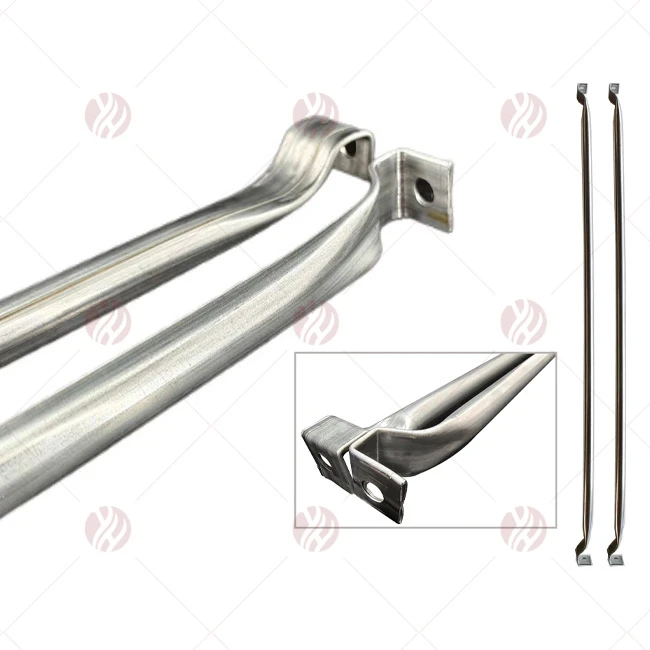
The design of the frame structure is also critical. The frame should be properly braced to prevent excessive movement and deformation under wind loads. The IBC Steel Tie Bar is an important component in this regard. It helps to connect different parts of the frame and provides additional support, enhancing the overall stability of the frame.
Load Distribution
Proper load distribution is another important aspect of wind design. The wind forces should be evenly distributed across the frame to prevent localized stress concentrations. This can be achieved through a well - designed frame structure and the use of appropriate connectors.
Our IBC steel frames are designed with a focus on load distribution. The horizontal and vertical members of the frame are arranged in a way that allows the wind forces to be spread out. The connectors between the members are also carefully selected to ensure a strong and stable connection, which helps in distributing the loads effectively.
Safety Factors
In wind design, safety factors are used to account for uncertainties in the wind load calculations and the material properties. A safety factor is a multiplier applied to the design wind load to ensure that the frame can withstand unexpected wind events.
We follow industry standards and guidelines when determining the safety factors for our IBC steel frames. These standards are based on extensive research and testing, and they help to ensure the safety and reliability of our products.
Testing and Certification
To ensure the quality and performance of our IBC steel frames under wind loads, we conduct rigorous testing. Our frames are tested in wind tunnels to simulate different wind conditions and to measure the forces acting on the frame. The test results are used to validate the design and to make any necessary adjustments.
We also obtain relevant certifications for our products. These certifications demonstrate that our IBC steel frames meet the required standards for wind resistance and structural integrity.
Conclusion
Wind design considerations are of utmost importance in the design of IBC steel frames. As an IBC steel frame supplier, we take these considerations seriously and strive to provide products that are safe, reliable, and able to withstand various wind conditions. Our focus on aerodynamics, structural integrity, load distribution, and safety factors ensures that our IBC steel frames are of the highest quality.
If you are in the market for IBC steel frames and are concerned about wind resistance, we invite you to contact us for a detailed discussion. Our team of experts can provide you with the information you need and help you select the right product for your specific requirements. Let's work together to ensure that your IBCs are well - protected against the forces of the wind.
References
- ASCE 7 - 16, Minimum Design Loads and Associated Criteria for Buildings and Other Structures.
- ISO 1496 - 3:2019, Packaging — Transport packages — Part 3: Intermediate bulk containers (IBCs).


