
Hey there! As a supplier of pre-assembled IBC tanks, I've seen firsthand how tricky it can be for folks to pick the right one. In this blog, I'm gonna break down the key factors you should consider when choosing a pre-assembled IBC tank. Let's dive in!
Capacity
First off, you need to think about the capacity. How much liquid or material are you planning to store? IBC tanks come in various sizes, typically ranging from 275 gallons to 550 gallons. If you're dealing with a small-scale operation, a smaller capacity tank might be sufficient. But if you're in a large industrial setting with high-volume storage needs, you'll probably want a bigger one. For example, if you're a chemical manufacturer that needs to store large quantities of raw materials, a 550-gallon tank would be a better fit.
Material
The material of the IBC tank is crucial. You've got a few options here, like plastic, stainless steel, and carbon steel. Plastic IBC tanks are lightweight, corrosion-resistant, and relatively inexpensive. They're great for storing non-corrosive liquids like water, juices, and some mild chemicals. Stainless steel tanks, on the other hand, are more durable and can handle a wider range of chemicals, including corrosive ones. They're also easier to clean and maintain. Carbon steel tanks are strong and can withstand high pressures, but they're more prone to rusting if not properly coated. So, depending on what you're storing, you'll need to choose the right material.
Compatibility
It's essential to make sure the IBC tank is compatible with the substance you're going to store. Different materials react differently with various chemicals. For instance, some plastics might dissolve or degrade when in contact with certain solvents. You need to check the chemical compatibility chart provided by the tank manufacturer. If you're unsure, it's always a good idea to consult with a chemical engineer or the tank supplier.


Design and Features
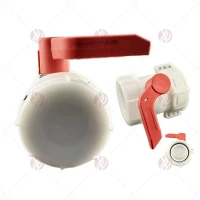
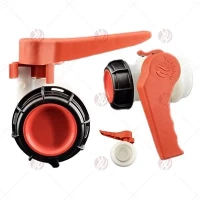
When it comes to the design, there are a few things to look out for. One important feature is the valve and fitting system. You want a tank with easy-to-use valves that can be opened and closed securely. Some tanks come with additional features like a sight gauge, which allows you to easily monitor the level of the liquid inside. Another thing to consider is the shape of the tank. Some IBC tanks are designed to be stackable, which can save a lot of space in your storage area.
Quality and Certification
You don't want to end up with a low-quality IBC tank that might leak or break down. Look for tanks that are made by reputable manufacturers and have proper certifications. For example, in the United States, tanks used for transporting hazardous materials need to meet DOT (Department of Transportation) regulations. Other international standards like UN (United Nations) certifications are also important if you're planning to export or import the tanks.
Cost
Of course, cost is a major factor for most people. You need to balance the quality and features of the tank with your budget. While it might be tempting to go for the cheapest option, remember that a low-quality tank could end up costing you more in the long run due to maintenance and replacement costs. It's a good idea to get quotes from multiple suppliers and compare the prices and features.
Accessories
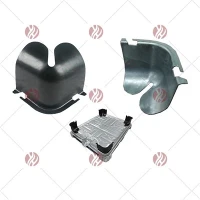
There are several accessories that can enhance the functionality of your IBC tank. For example, a Steel Pallet for IBC Tank provides a stable base for the tank and makes it easier to move around using a forklift. An IBC Steel Mesh can protect the tank from damage and also prevent unauthorized access. A Steel Base Pallet is another useful accessory that can improve the stability of the tank.
Supplier Reputation
Last but not least, you want to work with a reliable supplier. A good supplier will not only provide high-quality products but also offer excellent customer service. They should be able to answer your questions, provide technical support, and handle any issues that might arise. You can check online reviews and ask for references from other customers to get an idea of the supplier's reputation.
In conclusion, choosing the right pre-assembled IBC tank involves considering several factors, including capacity, material, compatibility, design, quality, cost, accessories, and supplier reputation. By taking the time to evaluate these factors, you can make an informed decision and get a tank that meets your specific needs.
If you're interested in purchasing pre-assembled IBC tanks or have any questions, feel free to reach out. We're here to help you find the perfect solution for your storage needs.
References:
- Industry standards and regulations for IBC tanks
- Manufacturer's product specifications and guidelines