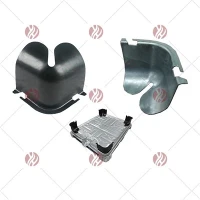

Hey there! I'm a supplier of IBC tote tank valves, and I often get asked about the maximum flow capacity of these valves. So, I thought I'd write this blog to share some insights on the topic.
First off, let's understand what an IBC tote tank valve is. An Intermediate Bulk Container (IBC) tote tank is a large container used for storing and transporting various liquids, powders, and granular materials. The valve is a crucial component of the IBC tote tank as it controls the flow of the contents in and out of the tank.
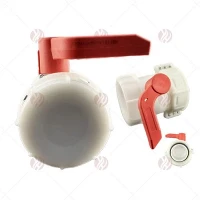
The maximum flow capacity of an IBC tote tank valve depends on several factors. One of the most important factors is the valve design. Different types of valves have different flow characteristics. For example, a Ball Screw Valve has a ball that rotates to open and close the valve. When the ball is fully open, it allows for a relatively high flow rate. The ball design reduces the resistance to the flow of the liquid or material, enabling a smooth and efficient flow.
On the other hand, a Ball Live Screw Valve has a more complex design with a live screw mechanism. This type of valve can also provide a good flow capacity, but the flow might be a bit more controlled compared to a simple ball screw valve. The live screw helps in precise opening and closing, which can be useful in applications where a specific flow rate needs to be maintained.
Another factor that affects the maximum flow capacity is the size of the valve. Generally, larger valves have a higher flow capacity. A valve with a larger diameter allows more liquid or material to pass through it per unit of time. However, it's not just about the size. The internal structure of the valve also plays a role. A well - designed valve with a large diameter but a smooth internal passage will have a better flow capacity than one with a large diameter but a lot of internal obstructions.
The viscosity of the fluid being transported is also a significant factor. If you're dealing with a highly viscous fluid like honey or thick oil, the flow capacity will be lower compared to a less viscous fluid like water. Viscous fluids have more resistance to flow, and the valve needs to be designed to handle this. Some valves are specifically designed for high - viscosity fluids, with features like larger openings and smoother internal surfaces to reduce the resistance.
The pressure of the system also impacts the flow capacity. Higher pressure can force the fluid through the valve at a faster rate. But there are limits to how much pressure a valve can handle. If the pressure is too high, it can cause damage to the valve, leading to leaks or even failure. So, it's important to choose a valve that can withstand the pressure of the system in which it will be used.
Now, let's talk about the Anti Static Valve. In some applications, especially those involving flammable or combustible materials, static electricity can be a major concern. An anti - static valve is designed to prevent the build - up of static electricity, which could potentially cause a spark and lead to an explosion. While the primary function of this valve is to prevent static, it also needs to have an appropriate flow capacity. The design of an anti - static valve takes into account both the anti - static properties and the need for a good flow rate.
To determine the maximum flow capacity of an IBC tote tank valve, we usually conduct flow tests. These tests involve measuring the amount of fluid that can pass through the valve in a given period of time under specific conditions of pressure and fluid viscosity. We use specialized equipment to accurately measure the flow rate.
As a supplier, I can offer a wide range of IBC tote tank valves with different flow capacities to meet the diverse needs of our customers. Whether you're dealing with a high - volume, low - viscosity fluid or a low - volume, high - viscosity material, we have the right valve for you.


If you're in the market for IBC tote tank valves and want to know more about the maximum flow capacity that suits your application, don't hesitate to get in touch. We can provide you with detailed information, conduct customized flow tests if needed, and help you choose the best valve for your specific requirements.
In conclusion, the maximum flow capacity of an IBC tote tank valve is influenced by multiple factors such as valve design, size, fluid viscosity, and system pressure. By understanding these factors, you can make an informed decision when choosing a valve for your IBC tote tank. So, if you have any questions or are interested in purchasing our IBC tote tank valves, reach out to us and let's start a conversation about your needs.
References
- Chemical Engineering Handbook
- Valve Design and Application Manuals