
Hey there! As a supplier of IBC guards, I've seen firsthand how these nifty little products can make a huge difference in the manufacturing industry. In this blog, I'm gonna break down the many benefits of IBC guards and why they're a must - have for any manufacturing operation.
1. Protection of IBCs
IBCs, or Intermediate Bulk Containers, are used to store and transport a wide range of substances, from chemicals to food products. These containers are often pretty pricey, and any damage to them can lead to significant losses. That's where IBC guards come in.
Corner Protection
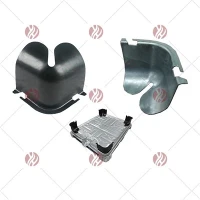
The corners of IBCs are particularly vulnerable to damage. Forklifts, pallet jacks, and other equipment can easily bump into them during handling, causing dents, cracks, or even leaks. Our IBC Corner Guard is designed to absorb the impact and protect the corners. Made from high - quality, durable materials, these corner guards can withstand repeated knocks and bumps. This not only extends the lifespan of the IBCs but also reduces the risk of product spills, which can be a major safety hazard.
Valve Protection
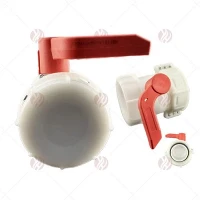
The valves on IBCs are another critical area that needs protection. A damaged valve can lead to leaks, which can contaminate the surrounding environment, cause product loss, and pose a safety risk to workers. Our IBC Valve Guard is specifically designed to shield the valves from accidental damage. It's easy to install and provides a reliable barrier against impacts, abrasions, and other forms of damage.
2. Safety Enhancement
Safety is a top priority in the manufacturing industry. IBC guards play a crucial role in ensuring the safety of workers and the environment.
Reducing Spills
As I mentioned earlier, damaged IBCs can lead to spills. These spills can be extremely dangerous, especially if they involve hazardous chemicals. IBC guards help prevent damage to the containers, which in turn reduces the risk of spills. By keeping the contents of the IBCs safely contained, we're protecting the health and safety of everyone in the manufacturing facility.
Minimizing Fire and Explosion Risks
Some substances stored in IBCs are flammable or explosive. A leak or spill of these substances can create a fire or explosion hazard. IBC guards help prevent damage to the containers, reducing the likelihood of leaks and spills. This, in turn, minimizes the risk of fires and explosions, making the manufacturing environment much safer.
3. Regulatory Compliance
The manufacturing industry is subject to a wide range of regulations, especially when it comes to the storage and transportation of hazardous materials. IBC guards can help companies meet these regulatory requirements.
Meeting Safety Standards
Many regulations require that IBCs be protected against damage. By using IBC guards, companies can ensure that their IBCs meet these safety standards. This not only helps them avoid costly fines but also demonstrates their commitment to safety and environmental responsibility.


Documentation and Traceability
Some regulations also require companies to keep detailed records of their IBCs, including information about any protective measures in place. IBC guards can be easily documented as part of the safety measures for the IBCs. This helps companies maintain accurate records and demonstrate compliance during inspections.
4. Cost Savings
In the long run, using IBC guards can lead to significant cost savings for manufacturing companies.
Reduced Replacement Costs
As I've said, IBCs are expensive. By protecting them with IBC guards, companies can extend their lifespan and reduce the need for frequent replacements. This can save a lot of money over time, especially for companies that use a large number of IBCs.
Lower Maintenance Costs
Damaged IBCs often require repairs, which can be time - consuming and costly. IBC guards help prevent damage, reducing the need for maintenance and repairs. This not only saves money but also reduces downtime, allowing the manufacturing process to run more smoothly.
5. Improved Efficiency
IBC guards can also improve the efficiency of the manufacturing process.
Easier Handling
When IBCs are protected by guards, they're less likely to be damaged during handling. This means that workers can handle the IBCs more confidently and efficiently. Forklifts and other equipment can move the IBCs around the facility without worrying about causing damage, which speeds up the handling process.
Better Storage
IBC guards can also make it easier to store IBCs. They can be stacked more securely, which maximizes the use of storage space. This is especially important for companies with limited storage capacity.
6. Customization Options
We understand that different manufacturing companies have different needs. That's why we offer a range of customization options for our IBC guards.
Material Selection
We offer IBC guards made from a variety of materials, including high - density polyethylene, polypropylene, and stainless steel. Each material has its own unique properties, such as durability, chemical resistance, and temperature resistance. Companies can choose the material that best suits their specific requirements.
Design and Size
We can also customize the design and size of the IBC guards to fit different types of IBCs. Whether it's a standard - sized IBC or a custom - made one, we can create a guard that provides a perfect fit. This ensures maximum protection and functionality.
Let's Talk!
If you're in the manufacturing industry and looking for a reliable way to protect your IBCs, enhance safety, and save costs, then our IBC guards are the answer. We're here to help you find the right solution for your specific needs. Whether you have questions about our products, need a quote, or want to discuss customization options, don't hesitate to reach out. We're eager to start a conversation and help you take your manufacturing operations to the next level.
References
- Industry safety standards and regulations related to IBC storage and handling.
- Case studies of manufacturing companies that have implemented IBC guards and seen positive results.
- Research on the durability and effectiveness of different materials used in IBC guards.