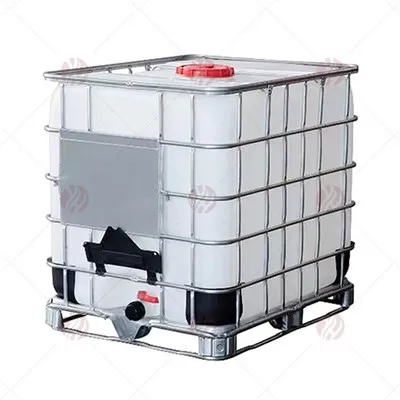

In the dynamic landscape of modern logistics and industrial operations, the environmental impact of equipment and materials has become a crucial consideration. As a supplier of IBC steel pallets, I am often asked about the environmental friendliness of these products. In this blog, I will delve into the various aspects of IBC steel pallets to determine whether they can be considered environmentally friendly.
Durability and Longevity
One of the key factors that contribute to the environmental friendliness of IBC steel pallets is their durability and longevity. Unlike wooden pallets, which are prone to damage, rot, and insect infestation, steel pallets are built to last. They can withstand heavy loads, rough handling, and harsh environmental conditions without significant wear and tear. This means that a single IBC steel pallet can be used for many years, reducing the need for frequent replacements.
According to a study by the Pallet Design System, steel pallets have an average lifespan of 10 - 15 years, compared to 3 - 5 years for wooden pallets. This extended lifespan translates into a lower overall demand for raw materials and energy required for manufacturing new pallets. By using IBC steel pallets, companies can significantly reduce their consumption of natural resources and minimize the environmental impact associated with pallet production.
Recyclability
Another important aspect of the environmental friendliness of IBC steel pallets is their recyclability. Steel is one of the most recycled materials in the world, with a recycling rate of over 90%. When an IBC steel pallet reaches the end of its useful life, it can be easily recycled into new steel products. This process not only conserves natural resources but also reduces the energy consumption and greenhouse gas emissions associated with steel production.
The recycling process for steel pallets is relatively straightforward. The pallets are first collected and transported to a recycling facility, where they are sorted and processed. The steel is then melted down and refined to remove impurities, and the resulting molten steel is used to produce new steel products, such as beams, pipes, and sheets. By choosing IBC steel pallets, companies can contribute to the circular economy and help reduce the environmental impact of their operations.
Reduced Carbon Footprint
In addition to their durability and recyclability, IBC steel pallets can also help reduce the carbon footprint of logistics and supply chain operations. Steel pallets are generally lighter than wooden pallets, which means that they require less energy to transport. This can result in significant fuel savings and reduced greenhouse gas emissions.
Furthermore, the use of IBC steel pallets can also improve the efficiency of transportation and storage. Steel pallets are stackable and can be easily integrated into automated handling systems, which can reduce the amount of space required for storage and increase the number of pallets that can be transported in a single shipment. This can lead to further energy savings and a reduction in the overall carbon footprint of the supply chain.
Chemical Resistance and Hygiene
IBC steel pallets are also known for their chemical resistance and hygiene properties. Unlike wooden pallets, which can absorb and retain moisture, chemicals, and bacteria, steel pallets are non - porous and easy to clean. This makes them ideal for use in industries where hygiene and chemical resistance are critical, such as the food, pharmaceutical, and chemical industries.
By using IBC steel pallets, companies can reduce the risk of product contamination and ensure the safety and quality of their products. This can also help reduce the amount of waste generated by damaged or contaminated pallets, further contributing to the environmental friendliness of the supply chain.


Comparison with Other Pallet Materials
To fully understand the environmental friendliness of IBC steel pallets, it is important to compare them with other pallet materials, such as wood, plastic, and composite.
- Wooden Pallets: As mentioned earlier, wooden pallets have a relatively short lifespan and are prone to damage and decay. They also require a significant amount of natural resources for production, and the use of pesticides and chemicals in the treatment of wooden pallets can have a negative impact on the environment.
- Plastic Pallets: Plastic pallets are lightweight and durable, but they are made from non - renewable resources and are not easily recyclable. The production of plastic pallets also requires a large amount of energy and can result in the release of harmful chemicals into the environment.
- Composite Pallets: Composite pallets are made from a combination of materials, such as wood and plastic. While they offer some advantages in terms of durability and weight, they can be difficult to recycle and may contain harmful chemicals.
In comparison, IBC steel pallets offer a more sustainable and environmentally friendly alternative. They are durable, recyclable, and have a lower carbon footprint than other pallet materials.
Our IBC Steel Pallet Components
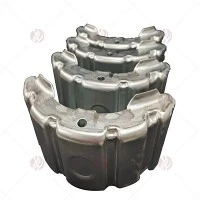
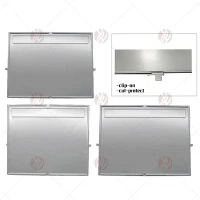
At our company, we offer a range of high - quality IBC steel pallet components, including IBC Corner Spacer, IBC Base Plate, and IBC Back Spacer. These components are designed to enhance the functionality and durability of our IBC steel pallets, ensuring that they meet the highest standards of quality and performance.
Our IBC Corner Spacers provide additional support and protection for the corners of the pallets, preventing damage and extending their lifespan. The IBC Base Plates offer a stable and secure base for the pallets, ensuring that they can safely support heavy loads. And the IBC Back Spacers help to maintain the structural integrity of the pallets, especially when they are stacked or used in automated handling systems.
Conclusion
In conclusion, IBC steel pallets are a highly environmentally friendly option for logistics and industrial operations. Their durability, recyclability, reduced carbon footprint, chemical resistance, and hygiene properties make them a sustainable choice that can help companies reduce their environmental impact and contribute to the circular economy.
If you are interested in learning more about our IBC steel pallets and how they can benefit your business, we invite you to contact us for a procurement discussion. Our team of experts is ready to assist you in finding the right solutions for your specific needs.
References
- Pallet Design System. (Year). Lifespan of Different Pallet Materials.
- Recycling Industry Reports. (Year). Steel Recycling Rates and Processes.
- Environmental Impact Studies in Logistics. (Year). Comparison of Pallet Materials in Supply Chain Operations.