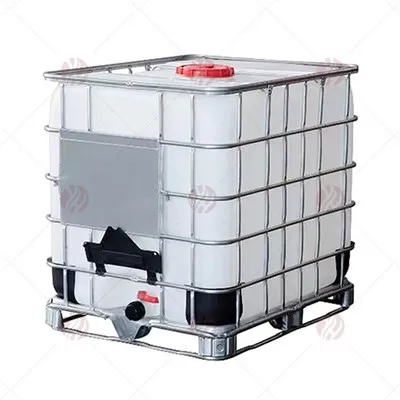

When it comes to Intermediate Bulk Containers (IBCs), choosing the right cap is crucial for ensuring the safety, integrity, and functionality of your storage and transportation operations. As an IBC cap supplier, I've witnessed firsthand the importance of making an informed decision. In this blog post, I'll share some key factors to consider when selecting the appropriate IBC cap for your specific needs.
Compatibility with IBCs
The first and most fundamental aspect to consider is the compatibility of the cap with your IBC. IBCs come in various sizes, shapes, and materials, and each type may require a specific cap design. For instance, different IBCs have different neck sizes and thread types. You need to ensure that the cap you choose fits snugly onto the IBC opening. Our IBC Screw Cap is designed to be compatible with a wide range of IBCs, providing a secure and leak - proof seal. It is engineered to match the standard thread sizes of most IBCs, ensuring a proper fit and preventing any potential spillage.


Material and Chemical Resistance
The material of the IBC cap plays a vital role in its performance. The cap is in direct contact with the contents of the IBC, so it must be resistant to the chemicals or substances stored inside. For example, if you are storing corrosive chemicals, a cap made of a chemically resistant material such as high - density polyethylene (HDPE) or polypropylene (PP) is essential. These materials can withstand the harsh effects of acids, alkalis, and other aggressive substances. Our IBC Threaded Cap is crafted from high - quality HDPE, which offers excellent chemical resistance. This ensures that the cap remains intact and functional even when exposed to a variety of chemicals over an extended period.
Seal Quality
A good seal is essential to prevent leaks, contamination, and evaporation of the contents. The cap should be able to create a tight and reliable seal with the IBC opening. There are different types of seals available, such as gasket - based seals and compression seals. Gasket - based seals use a rubber or elastomeric gasket to create a barrier between the cap and the IBC. Compression seals rely on the pressure applied when the cap is tightened to form a seal. Our IBC Screw Lid features a high - quality gasket that provides a superior seal. The gasket is designed to conform to the shape of the IBC opening, ensuring a leak - free closure.
Ease of Use
In a busy industrial environment, ease of use is an important consideration. The cap should be easy to install and remove. A cap that is difficult to handle can slow down the filling and emptying processes of the IBC. Look for caps with ergonomic designs, such as large handles or knurled surfaces that provide a good grip. Our IBC caps are designed with user - friendliness in mind. They have well - designed handles that make it easy to tighten and loosen the cap, even when wearing gloves.
Regulatory Compliance
Depending on the nature of the contents stored in the IBC and the transportation regulations in your region, the IBC cap may need to meet certain regulatory standards. For example, if you are transporting hazardous materials, the cap must comply with the relevant safety and environmental regulations. It is important to choose a cap that is certified to meet these standards. Our IBC caps are manufactured in accordance with international standards and regulations, ensuring that they are suitable for a wide range of applications, including the storage and transportation of hazardous materials.
Cost - Effectiveness
Cost is always a factor in any purchasing decision. However, it is important not to compromise on quality for the sake of saving money. A cheap cap that fails to provide a proper seal or is not chemically resistant can lead to costly spills, contamination, and damage to the IBC and its contents. When evaluating the cost - effectiveness of an IBC cap, consider the long - term benefits, such as reduced maintenance costs, lower risk of product loss, and compliance with regulations. Our IBC caps offer a good balance between quality and cost. They are competitively priced while still providing high - performance features.
Environmental Considerations
In today's environmentally conscious world, it is important to consider the environmental impact of the IBC caps. Look for caps that are made from recyclable materials. This not only helps to reduce waste but also contributes to a more sustainable supply chain. Our IBC caps are made from recyclable HDPE, which can be reused in the manufacturing of other products at the end of their life cycle.
Application - Specific Requirements
Different applications may have specific requirements for the IBC cap. For example, if you are using the IBC for food storage, the cap must be made from food - grade materials to ensure the safety of the food. If the IBC is used in a high - temperature environment, the cap should be able to withstand the heat without deforming or losing its sealing properties. Consider the specific conditions and requirements of your application when choosing the IBC cap.
Supplier Reputation
The reputation of the supplier is also an important factor. A reliable supplier will provide high - quality products, excellent customer service, and technical support. They will also be able to offer advice on the best cap for your specific needs. As an IBC cap supplier, we have a proven track record of providing top - notch products and services. We are committed to helping our customers choose the right IBC caps for their applications.
Conclusion
Choosing the right IBC cap is a critical decision that can have a significant impact on the safety, efficiency, and cost - effectiveness of your storage and transportation operations. By considering factors such as compatibility, material and chemical resistance, seal quality, ease of use, regulatory compliance, cost - effectiveness, environmental considerations, application - specific requirements, and supplier reputation, you can make an informed choice. If you have any questions or need assistance in selecting the right IBC cap for your needs, please don't hesitate to contact us. We are here to help you find the perfect solution for your IBC cap requirements.
References
- "Intermediate Bulk Container (IBC) Standards and Guidelines" - International Organization for Standardization (ISO)
- "Chemical Resistance of Plastics" - Plastics Industry Association
- "Regulations for the Transportation of Hazardous Materials" - Department of Transportation (DOT)