
IBC containers should be stored in a dry, cool, and well-ventilated environment, avoiding direct sunlight or exposure to extreme high or low temperatures. Excessively high or low temperatures can damage the container material and affect the stability of the internal contents.
The storage area should be free from sharp objects or heavy objects falling on the container to prevent breakage. Keep the ground level to prevent the container from tipping over. Different chemicals should be stored separately to avoid chemical reactions or cross-contamination.
Flammable, explosive, toxic, and hazardous materials must be strictly managed according to relevant regulations. Furthermore, regularly check the sealing performance of the IBC containers and replace worn seals promptly to prevent leakage.
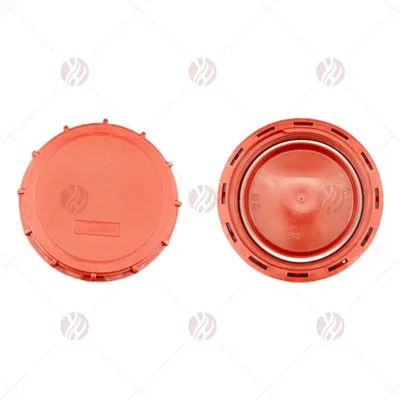
When filling IBC containers, first open the filling cap and pour the liquid into the top filling port. During filling, accurately calculate the weight and volume of the material to be loaded to ensure that it does not exceed the rated capacity of the IBC container. Overloading may cause the container to deform, crack, or even lead to a safety accident. After filling, tighten all seals to ensure a good seal.