

Structural Design and Functionality
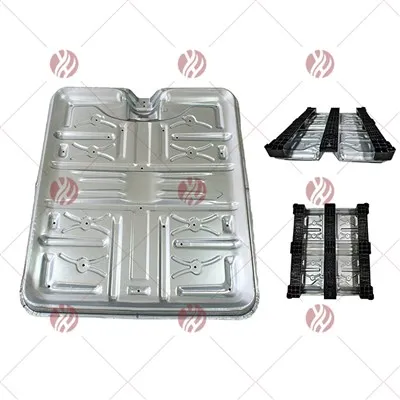
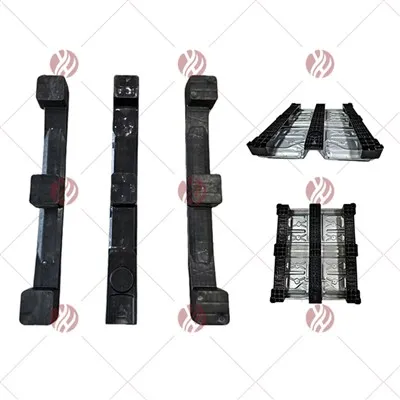
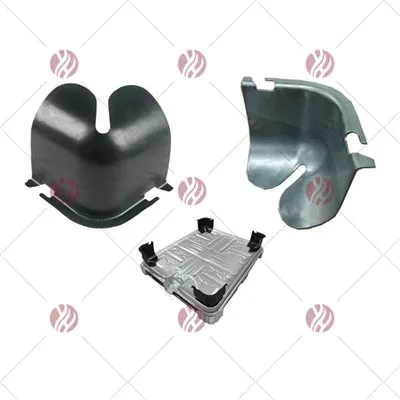
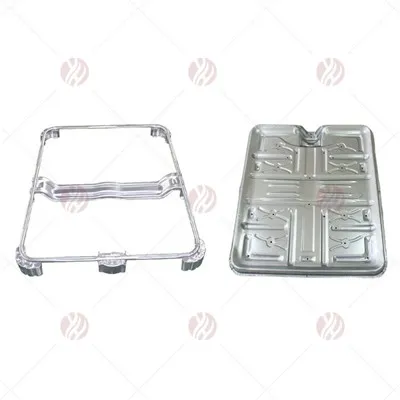
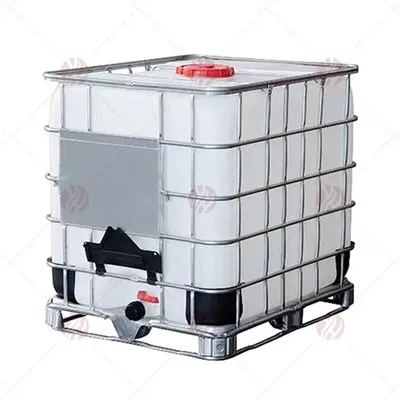
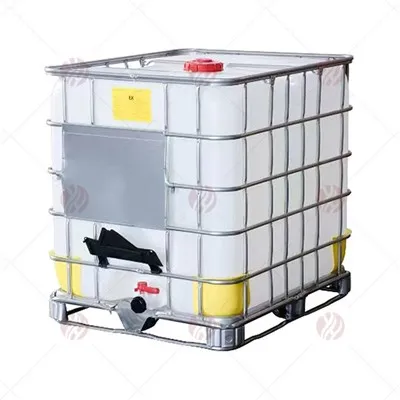
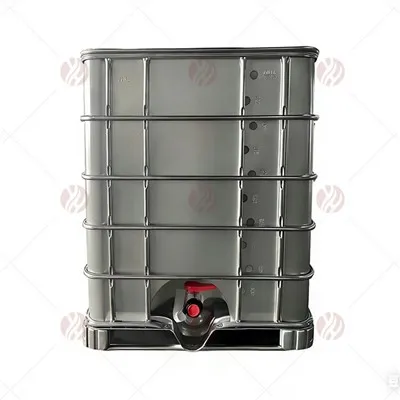
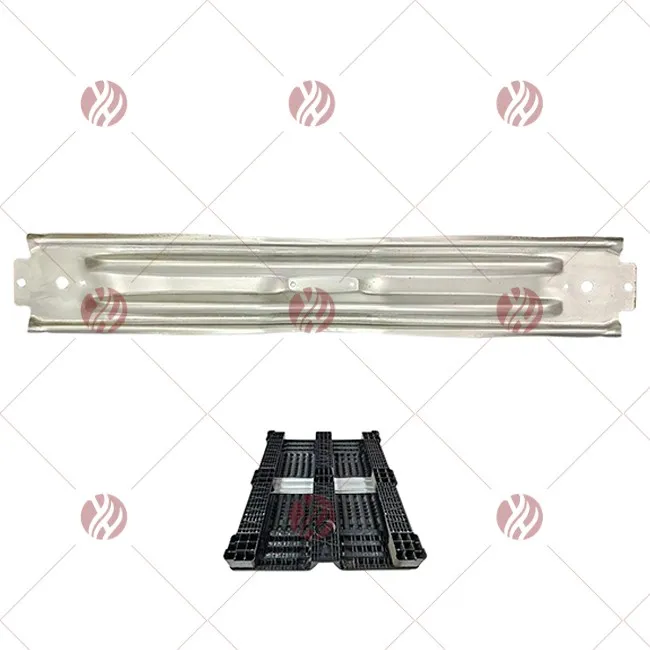
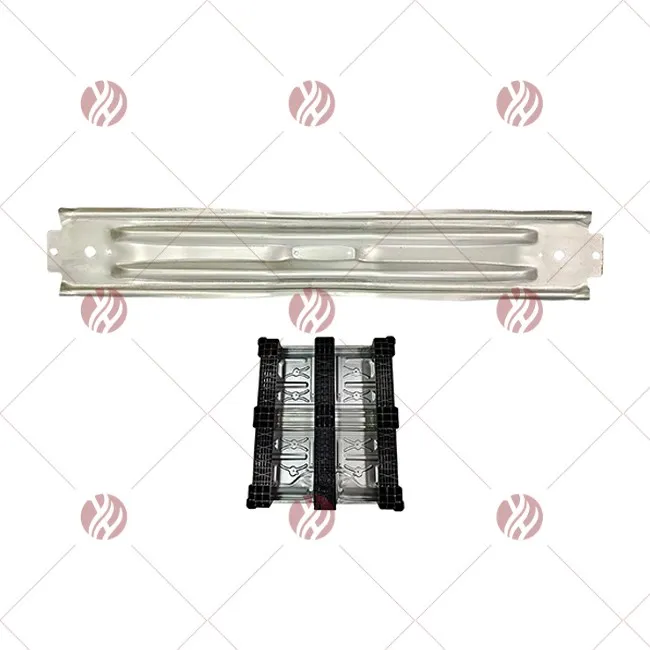
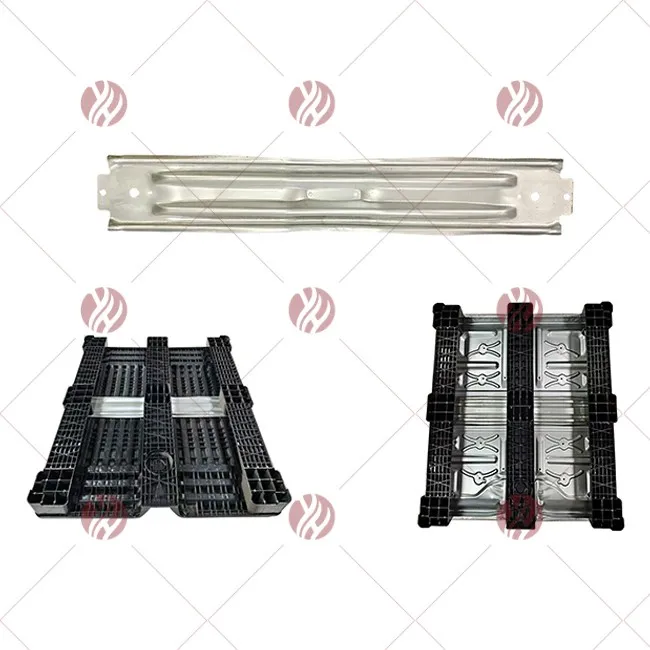
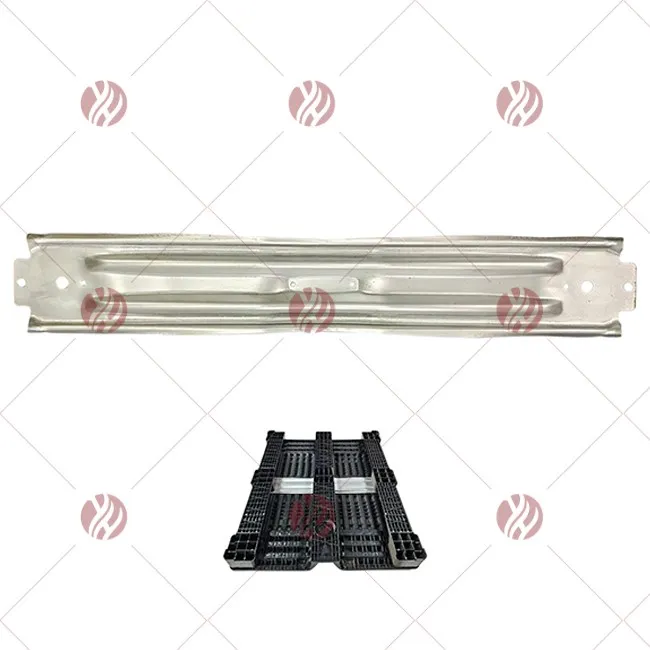
The primary function of the IBC beam is to serve as a connector within the pallet assembly. Unlike all-steel pallets that utilize a base ring for ground contact, the plastic pallet relies on three robust plastic skids. The assembly process begins by locking the 1000mm in length and 165mm in width steel bridge to these three skids. After it is secured, the unit is tightened with the IBC steel baseboard above and the steel cage surrounding the tank.
This design serves two purposes. First, the IBC beam acts as a measured interface, designed to fit the steel baseboard perfectly. Second, with a metal thickness of 1.8mm, the bridge provides critical traversal support for the IBC tank. By utilizing advanced deep-drawing manufacturing techniques, the bridge is fabricated with specific contours. These contours are engineered to reinforce the steel against bending forces from the fully-filled IBC tank.
Manufacturing and Compliance
The making of the IBC beam is a four step automated process. Starting from steel sheets, the pre-galvanized material goes through steps of die-cutting, drawing, stamping, and punching. This precision manufacturing ensures that every unit meets the mandatory UN performance tests required.
Durability and Environmental Resistance
To deter rust and degradation, a zinc layer is applied to ensure the bridge maintains its integrity. Corrosion resistance is critical since IBCs are frequently subjected to chemical environments, outdoor exposure, and humid warehouses. In order to address this, the center bridge is treated with a zinc layer applied at the premium industry standard of 80 g/m².
Technical parameters
| PRODUCT FEATURES | |
| This IBC center bridge is designed for use with three plastic skids. | |
| TECHNICAL PARAMETERS | |
| THICKNESS | 1.8mm |
| ZINC CODING | Z80 (>80g/㎡) |
| SPECIFICATION | 1000mm * 165mm |
| SCREW DRAW | M7 SELF-TAPPING-IBC FRAME |
Hot Tags: IBC beam, China IBC beam manufacturers, suppliers, factory, IBC Beam, IBC Composite Frame, ibc plastic pallet, Steel Bottom Plate