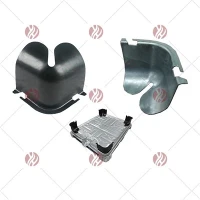

As a supplier of IBC Steel Rod, I often get asked whether it can be used in underground structures. This is a crucial question, as the use of materials in underground settings requires careful consideration due to the unique environmental conditions and structural demands. In this blog, I'll explore the feasibility, benefits, and potential challenges of using IBC Steel Rod in underground structures.
Feasibility of Using IBC Steel Rod in Underground Structures
Underground structures, such as basements, tunnels, and underground storage facilities, are subject to a variety of forces and environmental factors. The soil exerts lateral pressure on the structure, and groundwater can cause corrosion and other forms of deterioration. IBC Steel Rod, with its high strength and durability, has the potential to be a suitable material for these applications.
One of the key advantages of IBC Steel Rod is its ability to withstand high tensile forces. In underground structures, the rods can be used to reinforce concrete elements, such as columns and beams, to resist the lateral and vertical loads imposed by the soil and the structure itself. This helps to prevent cracking and failure, ensuring the long - term stability of the underground structure.
Moreover, IBC Steel Rod can be customized to meet the specific requirements of different underground projects. We can provide rods in various diameters, lengths, and grades, allowing engineers to design structures that are optimized for their particular needs. Whether it's a small basement or a large - scale tunnel project, IBC Steel Rod can be tailored to fit the design specifications.
Benefits of Using IBC Steel Rod
High Strength
IBC Steel Rod is known for its high strength, which makes it an ideal choice for underground structures. The rods can carry significant loads without deforming, providing reliable support to the concrete elements. This high - strength characteristic is particularly important in areas where the soil conditions are poor or where the structure is subject to heavy loads.
Corrosion Resistance
While steel is generally prone to corrosion, IBC Steel Rod can be treated with anti - corrosion coatings to enhance its durability in underground environments. These coatings act as a barrier between the steel and the corrosive agents in the soil and groundwater, preventing rust and other forms of corrosion. This helps to extend the service life of the rods and the overall structure.
Flexibility in Design
IBC Steel Rod offers flexibility in design, allowing engineers to create innovative and efficient underground structures. The rods can be bent and shaped to fit the specific geometry of the structure, enabling the construction of complex shapes and configurations. This flexibility also makes it easier to integrate the rods into existing structures during renovation or expansion projects.
Cost - Effectiveness
Compared to some other materials used in underground construction, IBC Steel Rod is often more cost - effective. Its high strength and durability mean that fewer rods are required to achieve the same level of structural performance, reducing the overall material cost. Additionally, the ease of installation and maintenance of IBC Steel Rod can also contribute to cost savings over the life of the project.
Potential Challenges and Solutions
Corrosion
As mentioned earlier, corrosion is a major concern when using steel in underground structures. However, we offer a range of anti - corrosion solutions for our IBC Steel Rod. These include hot - dip galvanizing, epoxy coatings, and cathodic protection systems. Hot - dip galvanizing involves coating the steel with a layer of zinc, which provides a sacrificial anode to protect the steel from corrosion. Epoxy coatings create a protective barrier on the surface of the steel, preventing the penetration of corrosive agents. Cathodic protection systems use an external power source or sacrificial anodes to prevent corrosion by making the steel the cathode in an electrochemical cell.
Ground Movement
Underground structures are often subject to ground movement, which can cause stress on the steel rods. To address this issue, we recommend using flexible connections and expansion joints in the design of the structure. These allow the rods to move with the ground without experiencing excessive stress, reducing the risk of failure.
Installation Difficulties
Installing IBC Steel Rod in underground structures can be challenging due to limited access and difficult working conditions. However, our experienced team can provide guidance and support during the installation process. We can offer training on proper installation techniques and provide equipment and tools to ensure a smooth and efficient installation.
Applications of IBC Steel Rod in Underground Structures
Basements
In basements, IBC Steel Rod can be used to reinforce the concrete walls and floors. The rods help to resist the lateral pressure from the soil and prevent cracking and bowing of the walls. They can also be used to strengthen the floor slabs, providing support for the loads above.
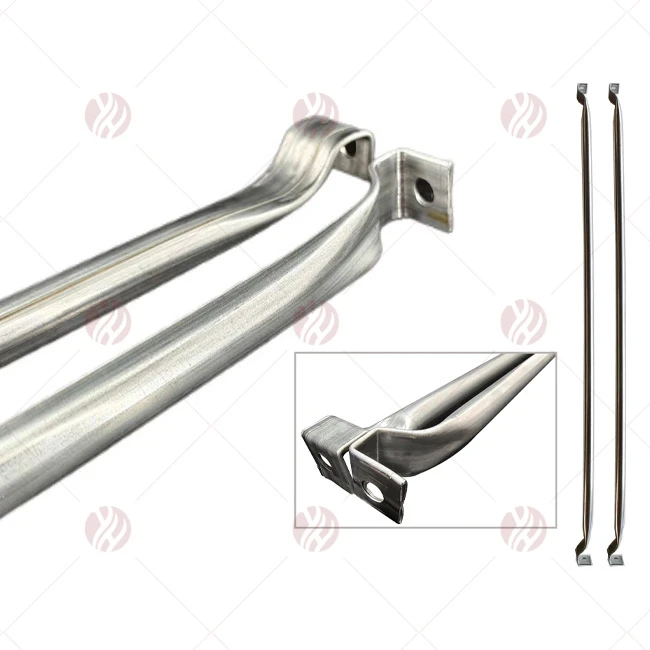

Tunnels
Tunnels require strong and durable reinforcement to withstand the high pressures and forces exerted by the surrounding soil and rock. IBC Steel Rod can be used in the lining of tunnels, either in the form of mesh or individual rods, to enhance the structural integrity of the tunnel.
Underground Storage Facilities
Underground storage facilities, such as oil and gas storage tanks, need to be structurally sound to prevent leaks and failures. IBC Steel Rod can be used to reinforce the concrete structures of these facilities, ensuring their long - term stability and safety.
Conclusion
In conclusion, IBC Steel Rod can be effectively used in underground structures. Its high strength, corrosion resistance, flexibility in design, and cost - effectiveness make it a viable option for a variety of underground applications. While there are some challenges associated with using steel in underground environments, these can be overcome with proper design, installation, and maintenance.
If you're considering using IBC Steel Rod in your underground project, I encourage you to contact us for more information. Our team of experts can provide you with detailed technical specifications, product samples, and pricing information. We're committed to helping you find the best solution for your project and ensuring its success.
References
- "Design and Construction of Underground Structures" by David M. Potts and John P. Fourie
- "Corrosion of Steel in Concrete" by V. K. R. Chari and A. K. Banthia
- "Structural Steel Design" by S. K. Duggal