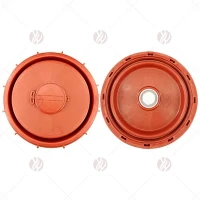

In the industrial packaging sector, Intermediate Bulk Containers (IBCs) play a crucial role in storing and transporting various liquids and bulk materials. A key component of IBCs is the screw lid, which not only provides a secure seal but also ensures the safety and integrity of the contents. As a supplier of IBC screw lids, I often encounter questions about whether these lids have a standard design. In this blog post, I will delve into this topic and provide insights based on my experience in the industry.
Understanding the Concept of Standard Design
A standard design implies that there are specific, widely - accepted specifications for a product. These specifications can cover aspects such as dimensions, materials, performance requirements, and safety features. For IBC screw lids, the idea of a standard design is complex and multifaceted.
Dimensions and Thread Standards
One of the most fundamental aspects of a screw lid design is its dimensions and thread specifications. There are indeed some industry - recognized standards for IBC containers. For example, the United Nations (UN) has established regulations for the design and construction of IBCs, which indirectly influence the design of screw lids. These regulations aim to ensure that IBCs can be safely transported and stored, and the lids must fit properly to maintain the integrity of the container.
However, it's important to note that there is no single, universal thread standard for IBC screw lids. Different regions and industries may use different thread types and sizes. For instance, in Europe, the DIN standards are commonly used, while in the United States, standards such as ANSI play a significant role. This lack of a single global standard can lead to challenges for both manufacturers and users.
Material Standards
The materials used in IBC screw lids also vary, and there are no strict universal standards. The choice of material depends on several factors, including the type of contents the IBC will hold. For example, if the IBC is used to store corrosive chemicals, the lid may need to be made of a corrosion - resistant material such as high - density polyethylene (HDPE) or polypropylene (PP). On the other hand, for non - corrosive liquids, a less expensive material might be sufficient.
Some industries may have their own internal standards for material quality and performance. For example, the food and beverage industry has strict requirements for materials that come into contact with consumable products. These materials must be non - toxic and meet specific hygiene standards.
Performance and Safety Standards
Performance and safety are critical aspects of IBC screw lid design. Lids must be able to provide a tight seal to prevent leakage, which is especially important when transporting hazardous or valuable materials. There are some general performance standards, such as the ability to withstand a certain level of pressure without leaking.
Safety standards also play a role. For example, lids should be designed in such a way that they are easy to open and close, but also difficult to accidentally open during transportation. Additionally, some lids may need to have features such as venting to prevent the build - up of pressure inside the IBC.
Types of IBC Screw Lids and Their Designs
There are several types of IBC screw lids available in the market, each with its own design characteristics.


IBC Vent Screw Cap
The IBC vent screw cap is designed to allow the release of pressure inside the IBC. This is especially important for containers that hold liquids that may expand or produce gas during storage or transportation. The venting mechanism can be a simple hole or a more complex valve system. The design of the vent screw cap must ensure that it allows for proper ventilation while still maintaining a seal to prevent the entry of contaminants.
IBC Threaded Cap
IBC threaded caps are the most common type of IBC screw lids. They are designed to be screwed onto the container opening, providing a secure seal. The thread design can vary, and it is important to ensure that the cap and the container have compatible threads. These caps can be made of various materials, and their design may include features such as a handle or a gasket for a better seal.
IBC Screw Cap
IBC screw caps are similar to threaded caps but may have different design features. They are often used for general - purpose applications and can be designed to fit different types of IBCs. The design of an IBC screw cap may also take into account factors such as ease of use and durability.
Challenges in Achieving a Standard Design
As mentioned earlier, there are several challenges in establishing a standard design for IBC screw lids.
Regional and Industry Differences
Different regions and industries have their own preferences and requirements. For example, the chemical industry may have different safety and performance requirements compared to the food industry. These differences make it difficult to develop a single, universal standard for IBC screw lids.
Technological Advancements
The packaging industry is constantly evolving, and new materials and manufacturing techniques are being developed. This means that the design of IBC screw lids is also changing. For example, new materials may offer better performance or lower costs, but they may not fit into existing standards.
Cost Considerations
Manufacturers need to balance the cost of production with the need to meet certain standards. Developing a standard design that meets all possible requirements may be expensive, and some manufacturers may choose to offer a range of products with different designs to meet different customer needs at different price points.
The Role of a Supplier in Standardizing IBC Screw Lids
As a supplier of IBC screw lids, I play an important role in ensuring that our products meet the needs of our customers. While there may not be a single standard design, we strive to offer products that are of high quality and meet relevant industry standards.
We work closely with our customers to understand their specific requirements. For example, if a customer needs a lid for a specific type of chemical, we can recommend the appropriate material and design. We also keep up - to - date with the latest industry trends and technological advancements to ensure that our products are competitive.
In addition, we are involved in industry associations and standards - setting bodies. By participating in these organizations, we can contribute to the development of more standardized designs and share our expertise with other industry players.
Conclusion
In conclusion, while there is no single, universal standard design for IBC screw lids, there are some industry - recognized standards and guidelines that influence their design. The lack of a single standard is due to regional and industry differences, technological advancements, and cost considerations.
As a supplier, we are committed to providing high - quality IBC screw lids that meet the diverse needs of our customers. Whether you need a IBC Vent Screw Cap, an IBC Threaded Cap, or an IBC Screw Cap, we can offer you a solution that is tailored to your specific requirements.
If you are interested in purchasing IBC screw lids or have any questions about our products, please feel free to contact us. We are ready to discuss your needs and provide you with the best possible solutions.
References
- United Nations Recommendations on the Transport of Dangerous Goods
- DIN Standards for Industrial Packaging
- ANSI Standards for Containers and Packaging