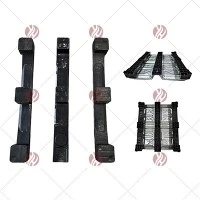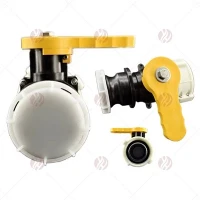

Hey there! As a supplier of IBC Vent Screw Caps, I often get asked if these caps can be used for solvents. It's a valid question, and in this blog, I'm going to break it down for you.
First off, let's talk about what IBC Vent Screw Caps are. An IBC Vent Screw Cap is a crucial component for Intermediate Bulk Containers (IBCs). These caps are designed to provide ventilation while keeping the contents of the IBC secure. They have a screw - on design, which makes them easy to install and remove.
Now, when it comes to using them with solvents, there are several factors to consider.
Compatibility with Solvents
The most important thing is the compatibility of the cap material with the solvent. Different solvents have different chemical properties, and some can react with certain materials. For example, strong solvents like acetone can dissolve or damage some types of plastics.
Most of the IBC Vent Screw Caps we supply are made from high - density polyethylene (HDPE). HDPE is a popular choice because it's resistant to a wide range of solvents. It can withstand mild to moderately strong solvents such as alcohols, some acids, and many hydrocarbon - based solvents.
However, if you're dealing with extremely aggressive solvents like concentrated sulfuric acid or certain chlorinated solvents, HDPE might not be the best choice. In such cases, you may need a cap made from a more chemically resistant material like polypropylene (PP) or even a fluoropolymer.
Sealing Performance
Another crucial aspect is the sealing performance of the IBC Vent Screw Cap when used with solvents. A good seal is essential to prevent leakage, which can be a safety hazard and also lead to product loss.
Our IBC Vent Screw Caps are designed with precision to ensure a tight seal. They have a threaded design that allows for a secure fit on the IBC opening. The cap also usually comes with a gasket, which further enhances the sealing. But keep in mind that the effectiveness of the seal can be affected by the solvent. Some solvents can cause the gasket to swell or degrade over time, which may compromise the seal.
Ventilation Function
The ventilation function of the IBC Vent Screw Cap is also important when using solvents. Solvents can generate vapors, and proper ventilation is necessary to prevent the build - up of pressure inside the IBC. Our caps are designed to allow for controlled ventilation. They have small vents that release the vapors while still keeping the contents secure.
However, if the solvent is highly volatile, the ventilation rate might need to be adjusted. In some cases, you may need to use a cap with larger vents or a different type of ventilation mechanism.
Temperature and Pressure Considerations
Solvents can be affected by temperature and pressure changes. When the temperature rises, the solvent may expand, and the pressure inside the IBC can increase. Our IBC Vent Screw Caps are designed to handle a certain range of temperature and pressure.
But if you're storing solvents in extreme conditions, such as very high temperatures or high - pressure environments, you need to make sure the cap can withstand these conditions. For example, some solvents may require a cap with a higher pressure rating.
Comparing with Other IBC Caps
There are other types of IBC caps available in the market, such as IBC Screw Lid and IBC Threaded Cap. While these caps also have their uses, the IBC Vent Screw Cap is specifically designed for ventilation.

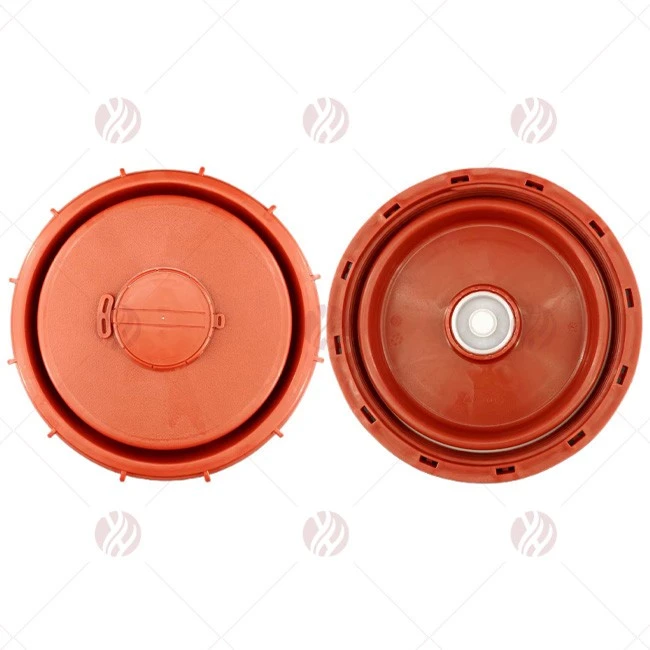
IBC Screw Lids are more focused on providing a tight seal and are often used when ventilation is not a primary concern. IBC Threaded Caps are similar to IBC Vent Screw Caps in terms of the threaded design, but they may not have the same ventilation features.
If you're dealing with solvents, the IBC Vent Screw Cap is usually the better choice as it allows for the release of vapors, which can prevent pressure build - up and potential safety issues.
Real - World Applications
In real - world applications, IBC Vent Screw Caps are used in various industries where solvents are stored and transported. For example, in the chemical industry, solvents are often stored in IBCs for later use. The IBC Vent Screw Cap ensures that the solvents are stored safely and that the ventilation requirements are met.
In the paint and coating industry, solvents are used in the manufacturing process. IBCs with Vent Screw Caps are used to store and transport these solvents, ensuring that the solvents remain in good condition and that the workplace is safe.
How to Choose the Right IBC Vent Screw Cap for Solvents
When choosing an IBC Vent Screw Cap for solvents, here are some steps you can follow:
- Identify the Solvent: Know the chemical properties of the solvent you're dealing with. This will help you determine the compatibility of the cap material.
- Consider the Environment: Think about the temperature and pressure conditions where the IBC will be stored. If it's a high - temperature or high - pressure environment, choose a cap that can handle these conditions.
- Check the Sealing and Ventilation Requirements: Make sure the cap provides a good seal and has the right ventilation rate for the solvent.
Conclusion
So, can IBC Vent Screw Caps be used for solvents? The answer is yes, in most cases. But it's important to choose the right cap based on the solvent's properties, the storage environment, and the ventilation and sealing requirements.
If you're in the market for IBC Vent Screw Caps for your solvent storage needs, we're here to help. We have a wide range of caps that are suitable for different solvents and applications. Contact us for more information and to discuss your specific requirements. We can provide you with the best solutions to ensure the safe storage and transportation of your solvents.
References
- Chemical Compatibility Charts for Plastics
- Industry Standards for IBC Components