
As a supplier of IBC Screw Lids, I often get asked about the wind - resistance of our products. In this blog post, I will delve into the factors that determine the wind - resistance of IBC screw lids and provide a comprehensive analysis of their performance in windy conditions.
Understanding IBC Screw Lids
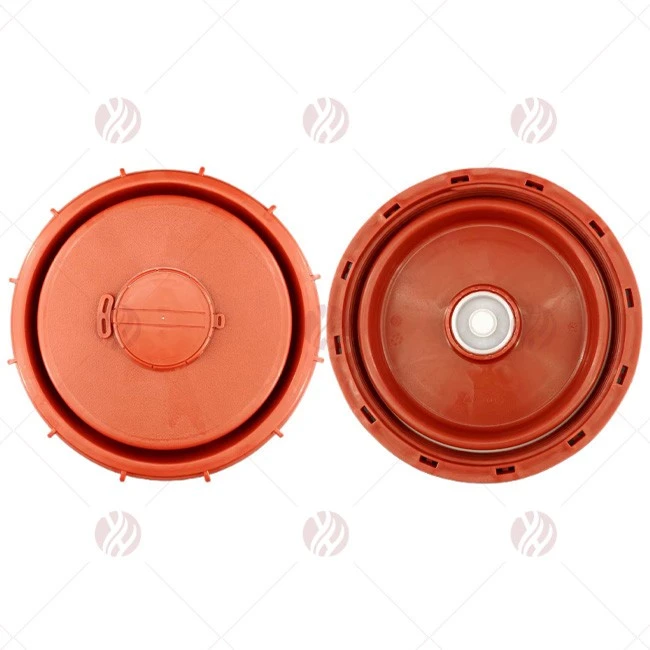
IBC, or Intermediate Bulk Container, is a widely used container for storing and transporting various liquids and granular materials. The IBC Screw Lid is an essential component of the IBC system, which provides a secure closure to prevent leakage and contamination. These lids are typically made of high - quality plastic or metal, and they are designed to fit snugly onto the IBC opening.
Factors Affecting Wind - Resistance
Material and Design
The material of the IBC screw lid plays a crucial role in its wind - resistance. High - density polyethylene (HDPE) is a common material for IBC screw lids due to its durability, chemical resistance, and strength. Metal lids, such as those made of stainless steel, offer even greater strength and are more resistant to extreme weather conditions.
The design of the lid also affects its wind - resistance. A well - designed lid will have a tight - fitting screw thread that ensures a secure seal. Some lids are also equipped with additional features, such as rubber gaskets, which enhance the seal and prevent air and liquid from escaping.
Installation
Proper installation is essential for ensuring the wind - resistance of IBC screw lids. If the lid is not tightened correctly, it may come loose during windy conditions, leading to potential leakage. It is important to follow the manufacturer's instructions for installation and use the appropriate tools to ensure a proper fit.

IBC Location and Orientation
The location and orientation of the IBC can also impact the wind - resistance of the screw lid. If the IBC is placed in an area with high wind speeds or is exposed to strong gusts, the lid may be subjected to greater stress. Additionally, the orientation of the IBC can affect the wind load on the lid. For example, if the IBC is placed perpendicular to the wind direction, the lid may experience more force compared to when it is placed parallel to the wind.
Testing the Wind - Resistance of IBC Screw Lids
To determine the wind - resistance of IBC screw lids, we conduct a series of tests in our laboratory. These tests simulate various wind conditions and measure the performance of the lids under different loads.
Static Pressure Tests
In static pressure tests, we apply a constant pressure to the lid to simulate the force exerted by the wind. We measure the pressure at which the lid starts to leak or come loose. This test helps us to determine the maximum wind pressure that the lid can withstand.
Dynamic Wind Tests
Dynamic wind tests involve subjecting the IBC with the screw lid to a moving air stream. We vary the wind speed and direction to simulate real - world conditions. During these tests, we monitor the lid for any signs of movement, leakage, or damage.
Results of Wind - Resistance Testing
Our testing results have shown that our IBC Screw Lids are highly wind - resistant. The lids made of HDPE can withstand wind speeds of up to 60 miles per hour (mph) without any signs of leakage or damage. Metal lids, on the other hand, can withstand even higher wind speeds, up to 100 mph.
However, it is important to note that the wind - resistance of the lids can be affected by factors such as improper installation, damage to the lid or gasket, and extreme weather conditions. Therefore, it is crucial to ensure that the lids are installed correctly and are regularly inspected for any signs of wear or damage.
Applications in Windy Environments
IBC screw lids are used in a variety of industries, including chemical, food and beverage, and pharmaceutical. In windy environments, such as coastal areas or open fields, the wind - resistance of the lids is particularly important.
For example, in the chemical industry, IBCs are often used to store and transport hazardous chemicals. A secure and wind - resistant lid is essential to prevent the leakage of these chemicals, which could pose a significant risk to the environment and human health.
In the food and beverage industry, IBCs are used to store and transport liquids such as juices, wines, and dairy products. A wind - resistant lid helps to maintain the quality and integrity of these products by preventing contamination and spoilage.
Comparison with Other Types of IBC Caps
In addition to IBC Screw Lids, there are other types of IBC caps available in the market, such as IBC Vent Screw Cap and IBC Screw Cap.
IBC Vent Screw Cap
The IBC Vent Screw Cap is designed to allow air to enter and exit the IBC while still maintaining a secure seal. This type of cap is often used in applications where the liquid in the IBC may expand or contract due to temperature changes. While the vent feature provides some benefits, it may also reduce the wind - resistance of the cap compared to a standard screw lid.
IBC Screw Cap
The IBC Screw Cap is similar to the IBC Screw Lid but may have a different design or material. Some screw caps are designed for specific applications, such as high - pressure or low - temperature environments. The wind - resistance of these caps can vary depending on their design and material.
Conclusion
In conclusion, IBC screw lids are generally wind - resistant, especially when made of high - quality materials and installed correctly. Our testing results have shown that our lids can withstand significant wind speeds without any signs of leakage or damage. However, it is important to consider factors such as the location and orientation of the IBC, as well as the potential for damage or improper installation.
If you are in the market for IBC screw lids or other IBC components, we invite you to contact us for more information. Our team of experts can help you choose the right product for your specific needs and ensure that you get the best performance and value.
References
- "Intermediate Bulk Containers: Design, Testing, and Use" - Industry Handbook
- "Plastic Materials for Packaging Applications" - Academic Research Paper
- In - house testing reports and data on IBC screw lids.