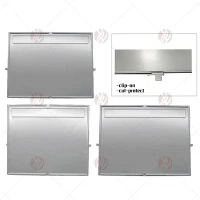

As a supplier of Steel Base Pallets, I often encounter inquiries from customers regarding the standard thickness of these pallets. The thickness of a steel base pallet is a critical factor that influences its strength, durability, and overall performance. In this blog post, I will delve into the details of what constitutes the standard thickness of a steel base pallet, the factors that affect it, and why it matters in various applications.
Understanding Steel Base Pallets
Steel base pallets are widely used in industries such as logistics, warehousing, and manufacturing due to their robustness and ability to withstand heavy loads. They are typically made from high - quality steel and are designed to support Intermediate Bulk Containers (IBCs), machinery, and other heavy items. The Steel Base Pallet is an essential component in the supply chain, providing a stable and secure platform for the transportation and storage of goods.
Standard Thickness of Steel Base Pallets
The standard thickness of a steel base pallet can vary depending on several factors, including the intended use, load capacity, and manufacturing standards. Generally, the thickness of the steel used in the construction of these pallets ranges from 1.5 mm to 3 mm.
- 1.5 mm Thickness: Pallets with a 1.5 mm steel thickness are often used for lighter loads or in applications where weight is a concern. These pallets are more cost - effective and are suitable for transporting and storing items that do not require a high - strength support structure. For example, they can be used for storing small - to - medium - sized boxes or light - weight IBCs.
- 2 mm Thickness: A 2 mm thick steel base pallet is a popular choice for medium - load applications. It offers a good balance between strength and weight, making it suitable for a wide range of industries. This thickness can support heavier IBCs and is commonly used in warehouses and distribution centers where goods are frequently moved and stacked.
- 3 mm Thickness: Pallets with a 3 mm steel thickness are designed for heavy - duty applications. They can withstand extremely high loads and are often used in industries such as manufacturing and construction. These pallets are more durable and can handle the stress of heavy machinery and large - scale IBCs.
Factors Affecting the Thickness of Steel Base Pallets
Several factors can influence the choice of thickness for a steel base pallet:
Load Capacity
The load capacity is one of the most important factors. If the pallet is required to support a heavy load, a thicker steel will be necessary to prevent deformation and ensure the safety of the goods. For example, if you are using the pallet to store and transport large IBCs filled with dense liquids, a 3 mm thick pallet would be more appropriate.
Usage Frequency
Pallets that are used frequently, such as those in a busy distribution center, may require a thicker steel to withstand the wear and tear. Frequent handling, stacking, and movement can cause stress on the pallet, and a thicker steel will help maintain its structural integrity over time.
Environmental Conditions
The environment in which the pallet will be used also plays a role. In harsh environments, such as outdoor storage or areas with high humidity, a thicker steel may be needed to resist corrosion. Additionally, if the pallet is exposed to chemicals or abrasive materials, a more robust steel thickness can provide better protection.
Why the Thickness Matters
The thickness of a steel base pallet has a significant impact on its performance and longevity:
Strength and Durability
A thicker steel pallet is stronger and more durable. It can withstand higher loads without bending or breaking, which is crucial for ensuring the safety of the goods being transported or stored. This means fewer replacements and lower maintenance costs in the long run.
Safety
A properly thickened pallet reduces the risk of accidents. If a pallet is too thin and cannot support the load, it may collapse, causing damage to the goods and potentially injuring workers. By choosing the right thickness, you can ensure a safe working environment.
Compatibility with Other Equipment
The thickness of the pallet can also affect its compatibility with other equipment, such as forklifts and pallet jacks. A thicker pallet may require more powerful lifting equipment, so it is important to consider this when selecting the pallet thickness.


Comparison with Other Pallet Types
In addition to steel base pallets, there are other types of pallets available in the market, such as Plastic Pallet for IBC Tank and IBC Steel Mesh.
- Plastic Pallets: Plastic pallets are generally lighter and more resistant to corrosion than steel pallets. However, they may not have the same load - bearing capacity as steel pallets, especially for heavy loads. The thickness of plastic pallets is also typically different from steel pallets, and they are often designed with different structures to achieve the required strength.
- IBC Steel Mesh: IBC steel mesh pallets are designed to provide ventilation and drainage for IBCs. They are usually made of steel wire mesh and have a different construction compared to solid - steel base pallets. The thickness of the steel wire used in the mesh can vary, and it is chosen based on the load requirements and the size of the IBCs.
Conclusion
In conclusion, the standard thickness of a steel base pallet can range from 1.5 mm to 3 mm, depending on the load capacity, usage frequency, and environmental conditions. As a supplier, we understand the importance of choosing the right thickness for your specific needs. Whether you need a light - duty pallet for small - scale applications or a heavy - duty pallet for large - scale industrial use, we can provide you with the appropriate solution.
If you are interested in purchasing steel base pallets or have any questions about their thickness and suitability for your application, please feel free to contact us for a detailed consultation. We are committed to providing high - quality products and excellent customer service to meet your requirements.
References
- Steel Industry Standards: Various industry standards and guidelines that define the properties and specifications of steel used in pallet manufacturing.
- Case Studies: Real - world examples of how different thicknesses of steel base pallets have been used in various industries.